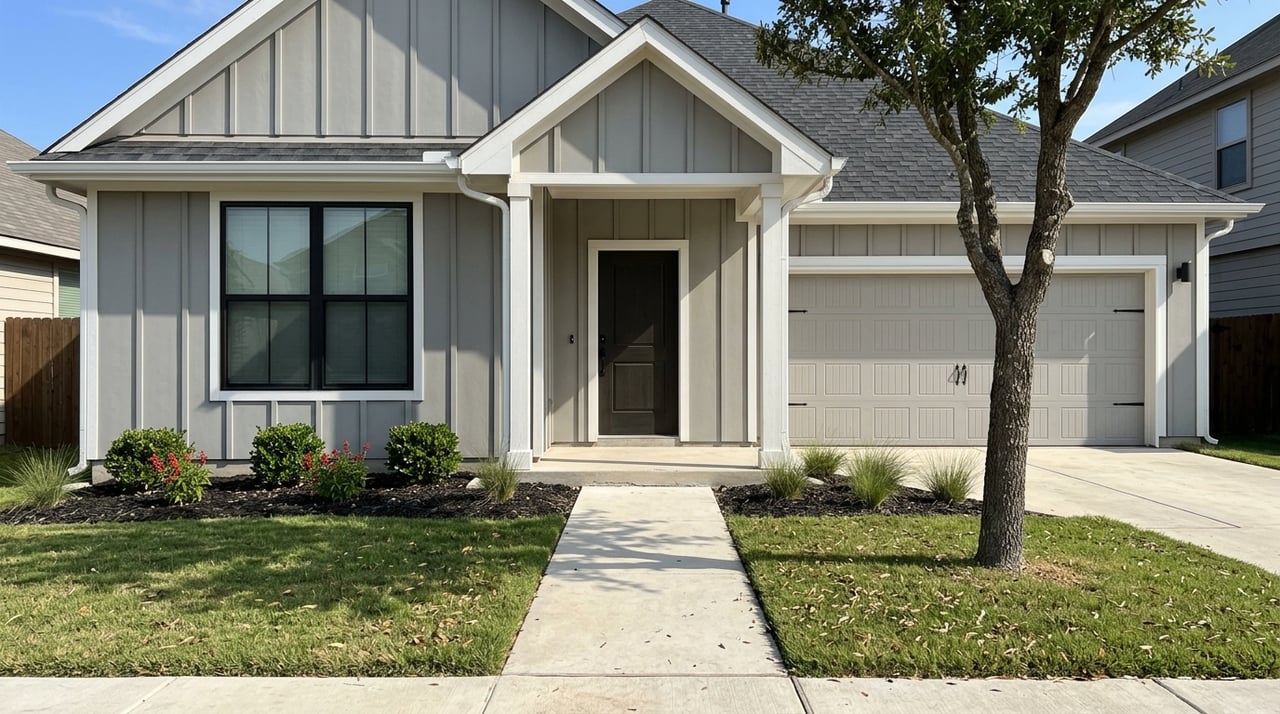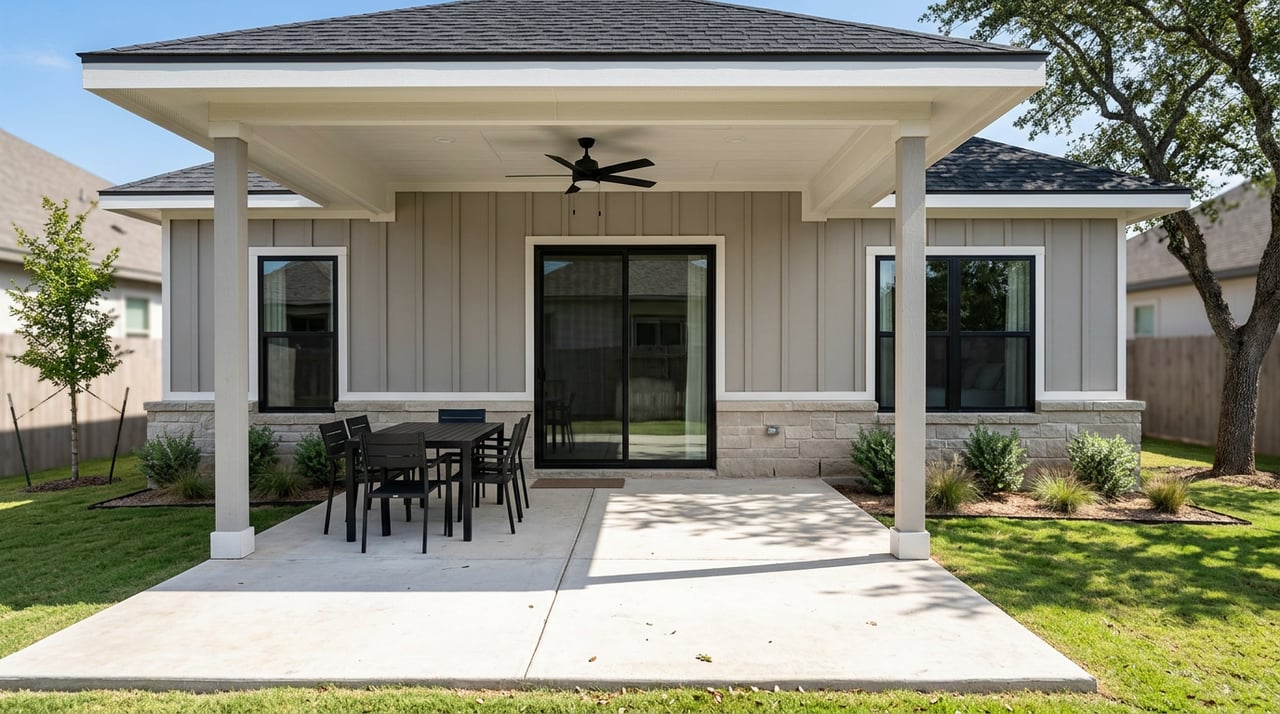
Thinking about selling your Belton home but unsure if now is the right moment? With military rotations at Fort Cavazos, steady hiring in Temple and Killeen, and the I-35 corridor’s long-term growth, the market can shift quickly. You want a plan that balances timing, price, and your own move. In this guide, you’ll learn the key signals to watch, how seasonality and PCS cycles play in, and a simple framework to decide whether to list now or wait. Let’s dive in.
What is shifting in Belton right now
Belton sits in Bell County at the heart of the Killeen–Temple region. Local demand comes from multiple directions, including healthcare expansion in Temple, area manufacturing, and the large military community tied to Fort Cavazos. Central Texas population growth along I-35 also supports housing demand over time.
Military relocations add a unique rhythm. Permanent Change of Station orders can bring waves of incoming and outgoing households, which can spur buyer activity and also increase listings. If you plan to sell, it helps to understand where you sit within this cadence and how it affects competition and pricing.
Inventory and months of supply matter when reading the market. Months of supply under 3 to 4 often means a seller’s market, around 4 to 6 is balanced, and above 6 tends to favor buyers. Pair that with trends in days on market and sale-to-list ratios to get a clearer picture of leverage before you choose your timing.
Key metrics to check before you list
Inventory and months of supply
Months of supply compares current listings to the recent sales pace. Lower supply usually means stronger negotiating power for you. If supply is tight and new construction is limited, you can often price with confidence. If supply is rising, expect more competition and plan to stand out with price and presentation.
Price trends and speed
Look at a 6 to 12 month view of median or average sale prices to smooth out noise. Falling days on market signal stronger demand and faster sales. Sale-to-list ratios above 100 percent point to competitive bidding, while ratios below 98 to 99 percent suggest buyers expect concessions or price reductions.
Buyer financing strength and rates
Mortgage rates affect purchasing power. When rates rise, some buyers step down in price or pause searches. Watch the quality of pre-approvals and the mix of cash, VA, and conventional financing. Stronger financing and clean contingencies can matter as much as price when you have a timeline to hit.
Seasonality in Central Texas
Spring: March to June
Spring is often the busiest season for listings and showings. More buyers are active, which can support higher prices and faster sales. You will face more competition from other sellers, so presentation and pricing still matter.
Summer: June to August
Activity remains solid as many households aim to move between school years. Early summer can feel like an extension of spring. By late summer, some buyers become more selective, especially if inventory grows.
Fall: September to October
Buyer traffic usually eases compared with spring and summer, but the shoppers who remain tend to be more serious. If your home shows well and is priced right, you can still achieve a strong result with less competition.
Winter: November to February
Winter sees fewer new listings and buyers. That can work in your favor if you need quick exposure with less competition. Expect a smaller pool of shoppers who are motivated by job moves, military orders, or personal timelines.
A simple decision framework
Use this checklist to decide whether to list now or wait:
- Define your personal constraints:
- Must-close dates, PCS orders, school-year plans, and down payment needs.
- Assess the latest 30 to 90 day local data:
- Months of supply, price trend over 6 to 12 months, days on market, sale-to-list ratio.
- Evaluate active buyer demand:
- Buyer mix in your price range and the types of offers they write.
- Check financing and carry costs:
- Current mortgage rates, the ability to carry two mortgages, and any bridge or HELOC options.
- Choose a timing goal:
- Maximize price, minimize risk, or move fast with certainty.
- Prepare a back-up plan:
- If market conditions soften, be ready to adjust price, offer incentives, or rent temporarily.
Decision triggers to watch:
- Months of supply under 4 with falling days on market. Good environment to list soon if your timing allows.
- Months of supply above 6 with sale-to-list ratios below 98 percent. Consider waiting if you are flexible and expect better conditions ahead, or invest in staging and repairs to stand out.
- Rapid rate increases and weaker pre-approvals. Consider conservative pricing or incentives to keep buyer interest.
- Imminent PCS timeline. Prioritize speed and certainty through pricing, quick repairs, and flexible terms.
Strategies by seller type
Move-up sellers
If you plan to buy and sell, align both moves with a clear financing strategy. Common options include selling first and renting short term, using a HELOC or bridge loan, or writing a contingent purchase offer. Selling first lowers risk but may require temporary housing. Buying first can be convenient but may increase carrying costs. Work scenarios across several sale prices so you know your net proceeds and next-home budget.
For move-up timing, many households prefer summer to simplify school transitions. If you need to list off-season, strong presentation and targeted pricing can shorten time on market.
Military households on PCS timelines
PCS orders often come with fixed windows of 30 to 90 days from notification to move. Speed and certainty matter. Focus on competitive pricing, quick repairs that remove objections, and an agent who understands VA requirements and appraisals. You may also negotiate rent-back after closing or flexible settlement dates to match your move window.
If a large unit rotation is approaching, you can see spikes in both buyer activity and new listings. Check expected PCS traffic and plan your launch timing and pricing to match demand.
What to expect when you list in Belton
Timeline to market and close
Plan 2 to 8 weeks for prep like light repairs, decluttering, and staging. Time on market can range from days to several weeks depending on conditions. Most financed closings take 30 to 45 days, while cash deals can close faster. VA-financed purchases typically follow similar timelines, with attention to appraisal and funding steps.
Costs and net proceeds
Expect to account for commissions, prorated property taxes, title fees, any agreed seller concessions, and your current mortgage payoff. Texas does not have a state real estate transfer tax. Many sellers budget for negotiated repairs or credits after inspections. A pre-listing inspection can reduce surprises and keep your timeline intact.
Likely buyers and how to appeal
Belton’s buyer pool often includes military and civilian households connected to Fort Cavazos, local move-up buyers working in Temple or Killeen, and investors in some price points. Highlight practical features like move-in readiness, storage, and commute access to major routes. Clear marketing and accurate pricing help you capture attention from qualified buyers.
Negotiation and contingencies
Expect financing and inspection contingencies. Offers may request flexibility on settlement dates, or you may request a short rent-back if you need more time to move. Reduce friction with clear title, completed minor repairs, and recent utility and HOA information.
Should you sell now or wait? Quick scenarios
- List now if supply is tight, days on market are falling, and you can present a move-in ready home. You may benefit from stronger pricing and faster offers.
- List now if you have a firm timeline like PCS orders or a new job. Prioritize certainty and choose strategies that keep the deal on track.
- Consider waiting if supply is rising above balanced levels and sale-to-list ratios are slipping. Use the time to complete high-impact repairs and prep for a stronger season.
- Stay flexible. If rates shift or new construction adds competition, be ready to adjust pricing or incentives.
Get local, data-backed guidance
A smart sale in Belton starts with local signals and a plan tailored to your timeline. With $40M plus in sales and 150 plus families served across Bell County, Carlee’s process focuses on clear steps, strong marketing, and steady communication from listing to close. If you want clarity on when to list, what to fix, and how to price in today’s conditions, connect with Carlee Lopez. Get your instant home valuation and a custom timing plan.
FAQs
What is the best month to sell a home in Belton?
- Spring and early summer often see the most buyer activity, but your personal timeline and current inventory should guide the decision.
How do PCS orders affect my home sale timing in Bell County?
- PCS schedules can compress timelines to 30 to 90 days, so focus on competitive pricing, quick prep, and flexible terms to prioritize speed and certainty.
What does months of supply mean for Belton sellers?
- Under 3 to 4 months usually favors sellers, 4 to 6 is balanced, and above 6 favors buyers, which should shape your pricing and staging plans.
Should I buy first or sell first if I am moving up in Belton?
- Selling first lowers risk and clarifies your budget, while buying first can be convenient but may require bridge financing or carrying two payments.
How do mortgage rates impact my sale price in Belton?
- Higher rates reduce buyer purchasing power, which can slow demand and increase concessions, so watch rate trends and price strategically.
How long does a VA-financed purchase usually take to close in Bell County?
- Most financed closings take about 30 to 45 days, with VA timelines similar but dependent on appraisal and funding steps.