Picture a creekside historic main street, local art, and a small-village pace without giving up access to Temple, Killeen, Austin, or Waco. If that balance sounds right, Salado may be your spot. In this guide, you’ll get a clear look at home types, price ranges, commutes, taxes, schools, and the everyday rhythm of life in Salado. You’ll also learn how to decide between the walkable village core and Hill Country acreage. Let’s dive in.
Why Salado stands out
Salado is a small Hill Country village in Bell County with a compact historic Main Street, arts and antiques shops, and green space along Salado Creek. The Village’s profile highlights this mix of heritage, retail, and nature that draws residents and visitors alike. You get a quieter feel than larger suburbs and a curated set of local businesses that give the town its identity. If you want character over sprawl, that’s the appeal.
Learn more about the village setup on the Village’s community profile.
Everyday flavor and events
Local anchors help set the tone. Barrow Brewing Company serves as a community hub with a taproom, beer garden, live music, and events that add energy to weekends. The historic Stagecoach Inn/Shady Villa also speaks to the town’s heritage and visitor draw. Expect periodic markets and seasonal programming that bring foot traffic to Main Street.
Explore the vibe through Barrow Brewing’s listing on Visit Salado.
Where Salado sits
Salado sits roughly between Austin and Waco, right along I-35. It is about the halfway point between the two cities by road. From Salado, you are often 15 to 25 minutes from Temple and 25 to 35 minutes from Killeen and Fort Cavazos, depending on route and traffic. For big-city trips, plan your drive times around your typical schedule and test the route.
See the midpoint context on Travelmath’s Austin–Waco halfway reference.
Market snapshot
As of a late-2025/early-2026 sampling, Realtor.com shows a median listing price around $619,000 for Salado (zip 76571) with price per square foot near $234. Other sites can show different estimates because of timing and data differences, which is common in smaller markets. Treat any single number as a range indicator and confirm with current MLS comps when you are ready to write an offer. Your price target will depend on whether you choose a downtown cottage, a subdivision home, or an acreage property.
Check the current snapshot on Realtor.com’s Salado overview.
Home types and lots
You will see three common options in and around the village:
- Historic cottages and Victorian-era homes near Main Street on smaller lots.
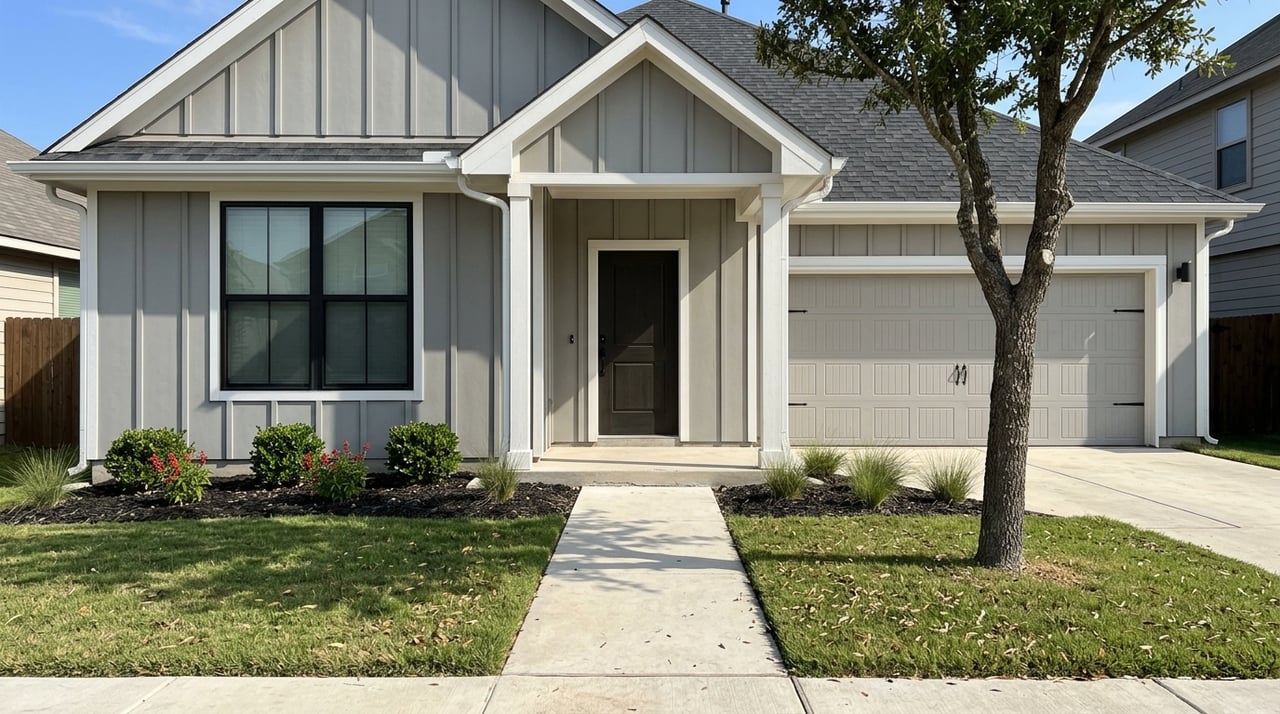
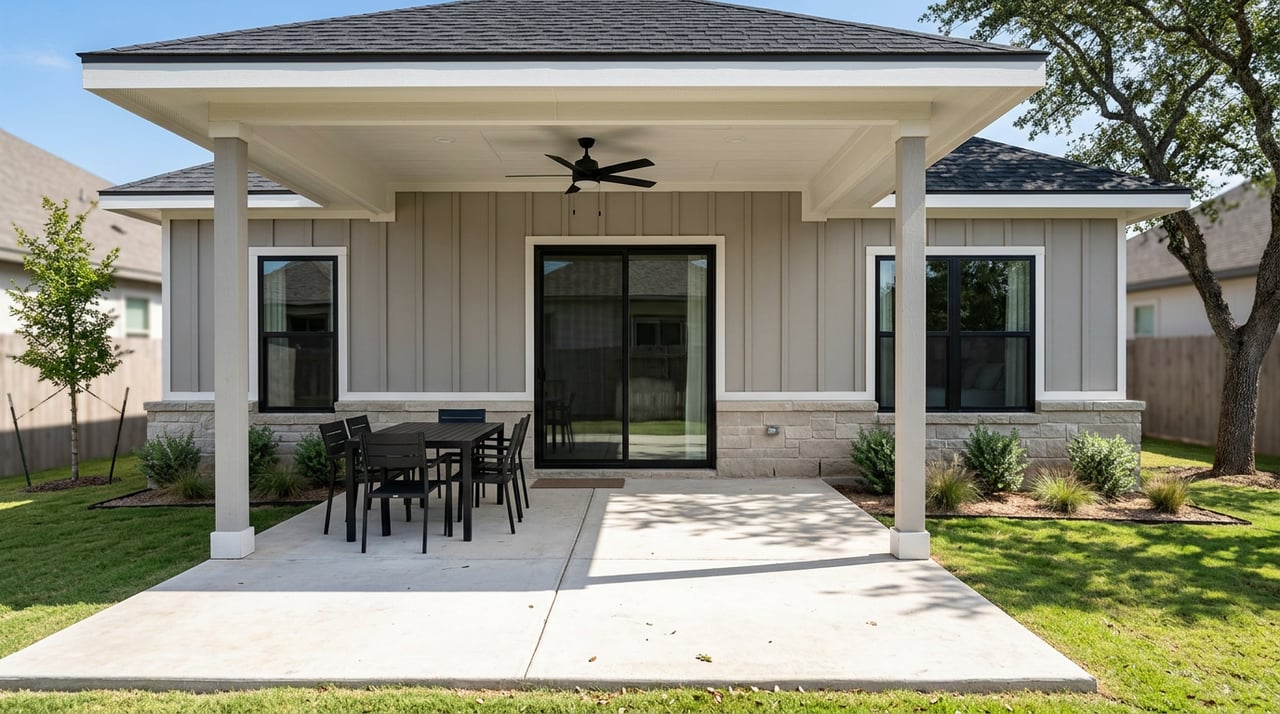
- Subdivision homes in neighborhoods like Mill Creek, Salado Oaks, and Flint Ridge, often on roughly quarter- to half-acre lots.
- Larger acreage and ranch tracts outside the village limits if you want more privacy or room for projects.
The Village’s zoning ordinance spells out a range of residential districts, from estate single-family to smaller-lot single-family, patio homes, and attached residences. A Historic District overlay also applies in parts of the core. If you plan to renovate, add an accessory building, or change the exterior, review the rules before you buy.
See district types and the Historic District overlay in the Village zoning ordinance.
Walkable core or Hill Country acreage
Both choices exist, but they live very differently. Use this quick lens to guide your search:
Walkable village lots
- Short strolls to shops, dining, and events.
- Smaller yards and older homes with character.
- More exposure to weekend visitor activity.
Acreage and ranch tracts
- Space, privacy, and room for outbuildings.
- Car-dependent for errands, dining, and school.
- Well and septic are more common outside the core.
Outdoor access and recreation
Salado Creek and pocket parks add a creekside feel near downtown. You will find casual picnicking, fishing, and short trail options without a long drive. Broader Hill Country and reservoir recreation around the Lake Belton area is nearby. If regular outdoor time is a priority, walk the specific property to understand its topography and access.
The Village summarizes local recreation and green space in its community profile.
Taxes and ongoing costs
Property taxes have a real impact on your monthly budget. The Village’s posted 2022 example shows a combined local rate of 2.182402 when you add Village, County, school district, and other components. For any address you are serious about, pull parcel-level history from the county appraisal district and ask your lender for an escrow estimate.
You can find tax context within the Village’s community profile. Always verify the current year’s rate and exemptions.
Schools and enrollment
Salado ISD serves the area. Public reporting can change year to year, so check the most recent accountability ratings and campus information before you decide. The district site posts TAPR and accountability materials, enrollment, calendars, and transfer guidance. If schools are key to your search, confirm the exact campus assignments for your property address.
Start with Salado ISD’s website.
Zoning, permits, and historic review
If you plan a remodel, addition, fence, or outbuilding, review zoning and any Historic District standards early. Setbacks, allowed uses, and exterior changes can be subject to review. Buyers should contact Village Development Services and Planning and Zoning for guidance before making firm plans.
You can read the official rules in the Village zoning ordinance.
Water, sewer, well, and septic
Parts of Salado connect to municipal wastewater and the Salado Water Supply Corporation. Properties outside the core may rely on private wells and septic systems. Confirm water and sewer availability, capacity, and any planned expansions before you go under contract. If a property has well and septic, plan inspections specific to each system.
Coverage details are noted in the Village’s community profile.
Flood and insurance checks
Salado Creek is a defining feature of the village. Some scenic creek-adjacent lots may fall in Special Flood Hazard Areas. Always check FEMA flood maps and local floodplain data for your target property and get insurance quotes early in escrow. Floodplain setbacks or build limits can affect renovation plans and long-term costs.
The Village highlights flood awareness on the community profile. Ask your lender and insurance agent for property-specific guidance.
Commute planning
For most buyers working in Temple or Killeen/Fort Cavazos, the commute is often 15 to 35 minutes depending on your start time and route. Salado is feasible for occasional trips to Austin or Waco, but daily commuting to downtown Austin can run 50 to 75 minutes or more with traffic. If drive time matters, test your route at your typical hours before you close.
See the broader location context on Travelmath’s halfway reference.
Inventory, resale, and timing
Small, desirable villages can move in bursts. Active inventory and days on market in Salado may look different than Temple or Austin at any given time. Limited listings in the walkable village core can support long-term value for well-located homes. Before you offer, review current neighborhood comps and trend lines.
For a quick read on activity, view Realtor.com’s Salado overview and pair it with an MLS report.
Smart buyer checklist
Use this to organize your next steps:
- Define lifestyle fit: walkable Main Street versus acreage privacy.
- Price your target: align the broad median with current MLS comps by home type and neighborhood.
- Confirm schools: review Salado ISD accountability, calendars, and campus assignments.
- Verify taxes: pull the property’s assessed value and prior tax bills; ask your lender for an escrow estimate.
- Check zoning: confirm district type, setbacks, and any Historic District standards.
- Nail down utilities: confirm water and sewer connections or plan for well and septic inspections.
- Review flood risk: check FEMA flood maps and request early insurance quotes.
- Time your commute: test-drive to work at your typical hours.
- Plan inspections: roof, foundation, septic or well if applicable, and any outbuildings.
Ready to explore Salado?
If Salado’s village charm and Hill Country setting fit your goals, let’s map homes to your lifestyle and budget. From historic cottages near Main Street to subdivision homes and acreage, you will get clear guidance on pricing, taxes, utilities, and timelines. Reach out to Carlee Lopez to tour homes, review comps, and move forward with confidence.
FAQs
Is Salado a realistic Austin commute?
- It works for occasional trips. Daily commutes to downtown Austin can run 50 to 75 minutes or more depending on traffic and schedule. Test your route at commute hours to set expectations.
What home types are most common in Salado?
- You will find smaller historic lots near Main Street, subdivision homes often on quarter- to half-acre lots, and larger acreage or ranch tracts outside the village limits. Your choice depends on walkability versus space and privacy.
How do property taxes affect my monthly cost in Salado?
- The Village’s 2022 example shows a combined local rate of 2.182402. Your exact bill varies by parcel and exemptions, so pull the property’s history and ask your lender for an escrow estimate.
What should I know about flood risk near Salado Creek?
- Creek-adjacent lots can fall in Special Flood Hazard Areas. Check FEMA flood maps, review local floodplain data, and get insurance quotes early to understand costs and any building limits.
How are schools in Salado ISD?
- Salado ISD serves the area. Public accountability ratings can change by year and campus, so check the district and TEA reports for current information and confirm campus assignments for your address.