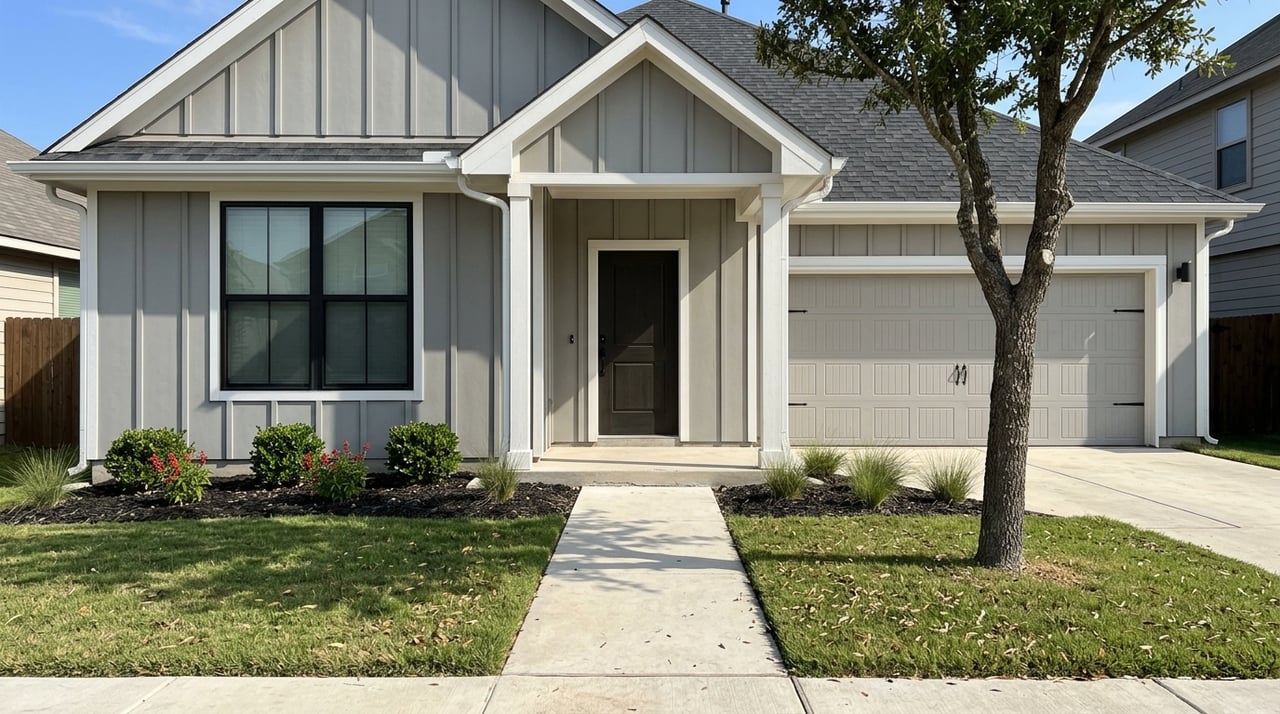
Buying your first home in Temple can feel exciting and overwhelming at the same time. You want to make a smart move, avoid surprises, and understand what happens next before you commit. The good news is that the process gets much easier when you break it into clear steps. Here’s a straightforward overview of how first-time buying works in Temple and what you should pay attention to along the way.
Start With Your Budget
Before you tour homes, take a close look at what you can comfortably afford. The Consumer Financial Protection Bureau recommends reviewing your income, assets, employment, savings, and monthly debts so you can build a realistic budget from the start.
It also helps to plan for upfront costs beyond your down payment. According to the CFPB, closing costs usually run about 2% to 5% of the purchase price. Knowing that number early can help you avoid stretching too far on the home itself.
Getting preapproved is one of the smartest first moves you can make. A preapproval can uncover issues early and show sellers that you are serious, but the CFPB still recommends comparing official Loan Estimates from multiple lenders before choosing one.
Ask About Texas Buyer Assistance
If you are buying your first home in Temple, it is worth asking whether you qualify for help through TSAHC assistance programs. TSAHC says down payment assistance may be offered as a grant or a deferred forgivable second lien.
That assistance can cover 2%, 3%, 4%, or 5% of the loan amount and may be used for down payment, closing costs, prepaid items, and related loan fees. TSAHC also says its Mortgage Credit Certificate may reduce your federal income tax liability by 15% of mortgage interest paid during the year, but you must apply when you apply for the mortgage.
Tour Homes With A Plan
Once your financing is taking shape, you can start shopping with more confidence. In Temple, your search may be local, but the contract process follows Texas rules statewide, so it helps to know what matters before you fall in love with a house.
As you tour, focus on fit, condition, and budget. Think about your daily routine, commute, lot size, layout, and the level of updates or maintenance you feel ready to handle.
Understand Texas Offer Basics
In Texas, licensed real estate professionals generally use TREC-promulgated forms. TREC also notes that fees for agents, inspectors, and appraisers are not regulated by TREC.
A common Texas offer includes earnest money, an option fee, and a negotiated option period. According to TREC’s FAQ guidance, earnest money and the option fee are generally due within three days after the effective date of the contract.
The option period is important because it gives you time to investigate the property. TREC says that if you give written notice on time during that period, you have the unrestricted right to terminate for any reason.
Just as important, there is no automatic three-day cooling-off period for a home purchase in Texas. That is why your contract deadlines, notice instructions, and option period dates matter so much.
Review The Seller’s Disclosure Carefully
For previously occupied single-family homes under contracts entered into on or after September 1, 2023, Texas requires a Seller’s Disclosure Notice. This document can give you an early look at the property’s condition and known issues.
Still, it is best to treat the disclosure as a starting point, not the final word. TREC makes clear that buyers should still do their own due diligence, which usually means reviewing the property carefully and moving forward with inspections.
Schedule Your Inspection Early
After your contract is signed, move quickly on the inspection. The CFPB recommends scheduling it as soon as possible so you have time to review the results and decide how to proceed.
A home inspection and an appraisal are not the same thing. The inspection looks at the home’s condition, while the appraisal is the lender’s valuation check.
Your inspection can help you understand what is cosmetic, what is routine maintenance, and what may need more attention. Depending on the findings, you may decide to ask for repairs, request credits, bring in specialists, or walk away if your contract gives you that right.
Questions To Ask Your Inspector
When you get the inspection report, ask clear follow-up questions such as:
- Which issues are cosmetic versus safety-related?
- Which repairs are urgent?
- Which items are ongoing maintenance?
- Should a specialist review the roof, foundation, HVAC, or pests?
Those answers can help you make a practical decision instead of reacting to a long report full of technical notes.
Prepare For The Appraisal
If you are using financing, your lender will typically require an appraisal. According to the CFPB’s appraisal guidance, the appraisal is meant to confirm the property’s value for the lender.
If the appraisal comes in lower than the purchase price, you still have options. The CFPB says buyers may be able to renegotiate, increase the down payment, or explore other solutions with the lender.
This is one of the reasons first-time buyers benefit from a process-driven plan. A calm response and quick communication can make a big difference when timing matters.
Compare Your Closing Costs
As you move toward closing, review your numbers carefully. The Loan Estimate should help you understand principal, interest, taxes, insurance, and closing costs, and it gives you a way to compare lender offers more clearly.
You may also be able to shop for some of your closing services. The CFPB says title services are often shoppable, and lenders must give a list of providers for services you can shop for.
In Texas, the Texas Department of Insurance explains that the title premium includes the title search, title examination, and closing the transaction. TDI also notes that an owner’s policy helps protect your financial investment and is paid once at closing.
Know What Happens At Closing
Closing day is when the purchase and loan are finalized. The CFPB says you should receive your Closing Disclosure at least three business days before closing, which gives you time to compare it with your earlier Loan Estimate.
In Texas, TREC describes the title or escrow agent as a neutral third party, and buyers and sellers typically close through a title company or escrow process. This part of the transaction is highly deadline-driven, so staying organized matters.
Before closing, make sure you understand:
- Your final cash-to-close amount
- What documents you need to sign
- Whether any contract items are still unresolved
- Where and when closing will take place
Plan For Post-Closing Tasks In Bell County
Your work is not completely done once you get the keys. After you close on a home in Temple, one of the most important follow-up items is understanding your property tax and homestead paperwork.
Texas does not have a state property tax. According to the Texas Comptroller, local taxing units set property tax rates, and Bell CAD handles appraisals and homestead exemptions in Bell County.
Bell CAD says homestead applications are accepted from January 1 through April 30. It also notes that homestead assessed-value increases are capped at 10% per year until the value reaches market value, and you generally do not need to renew annually unless requested or unless you move.
Smart Questions To Ask Early
First-time buyers in Temple often feel more confident when they know what to ask. Here are a few good examples based on the guidance in the research.
Questions For Your Lender
- What will my Loan Estimate show for principal, interest, taxes, insurance, and closing costs?
- Can I compare offers from more than one lender?
- Am I eligible for TSAHC down payment assistance or a Mortgage Credit Certificate?
- What closing timeline can you realistically meet?
Questions For Your Agent
- What earnest money and option fee levels are common in this area?
- How long should my option period be?
- Which deadlines matter most in my contract?
- Who will handle title or escrow, and what should I review before closing?
Questions For Yourself
- What monthly payment feels comfortable, not just possible?
- Am I prepared for repairs and maintenance after move-in?
- Do I understand the timelines well enough to make decisions quickly?
Buying your first home in Temple does not have to feel confusing when you have a clear roadmap and the right support. If you want a local, process-focused guide who can help you understand each step and keep your timeline on track, connect with Carlee Lopez for straightforward guidance tailored to your move.
FAQs
What should first-time buyers in Temple do before touring homes?
- Review your income, savings, debts, and estimated closing costs, then get preapproved and compare Loan Estimates from multiple lenders.
How much are closing costs for a first-time home purchase in Temple?
- The CFPB says closing costs typically range from 2% to 5% of the purchase price before your down payment.
What is the option period in a Texas home purchase contract?
- The option period is a negotiated window that gives you the unrestricted right to terminate for any reason if you provide written notice on time.
Is there a cooling-off period when buying a home in Temple, Texas?
- No. TREC says there is no automatic three-day cooling-off period for a Texas home purchase.
Why do first-time buyers in Temple need both an inspection and an appraisal?
- The inspection helps you evaluate the home’s condition, while the appraisal helps the lender confirm the property’s value.
When do Temple homeowners apply for a Bell County homestead exemption?
- Bell CAD accepts homestead applications from January 1 through April 30, and annual renewal is generally not required unless requested or unless you move.