Buying near the water in Morgan’s Point can feel like the best of both worlds: bay views, coastal breezes, and a setting with real history. But before you fall in love with a waterfront home, it helps to know that this is not the same as buying in a typical inland neighborhood. If you are thinking about a purchase here, understanding flood risk, insurance, shoreline condition, and property-specific upkeep can help you make a more confident decision. Let’s dive in.
Why Morgan’s Point Feels Different
Morgan’s Point is a small historic peninsula community in southeastern Harris County near Galveston Bay and the inlet to the Houston Ship Channel. The city reports a population of about 356 residents, and its history reflects a resort-era pattern with long, narrow beachfront lots and older homes with verandas and historic styles.
That matters because homes here often come with more character and more site-specific considerations. You may see unusual lot shapes, older construction, and homes positioned to take advantage of views and breezes rather than a standard subdivision layout.
Waterfront Lifestyle and Tradeoffs
For many buyers, the draw is easy to understand. Morgan’s Point offers a bayfront setting, access to breezes, and a shoreline environment that can feel unique compared with inland communities.
At the same time, the city also has a working-waterfront dimension. Morgan’s Point is home to Port Houston’s Barbours Cut container terminal and a large ethane export facility, so some properties may come with tradeoffs like industrial activity, truck traffic, and a more active shoreline environment.
Flood Risk Should Come First
If you are buying near the water in Morgan’s Point, flood risk should be one of the first things you verify. FEMA identifies high-risk flood areas as A or V zones, and properties in those zones with government-backed mortgages generally require flood insurance.
FEMA also notes that homes in high-risk flood zones have at least a 1 in 4 chance of flooding over a 30-year mortgage. Just as important, flood maps do not follow city limits or property lines, which means flood risk needs to be checked parcel by parcel.
Use Parcel-Level Flood Tools
A home across the street from another may not carry the same flood designation. Before making an offer, use Harris County’s Flood Education Mapping Tool and review the county engineer’s floodplain information for the exact property.
Morgan’s Point also has local flood regulations in Chapter 42 of its code of ordinances. That is a good reminder that local rules can affect what owners may need to do for compliance, repairs, or future improvements.
Flood Insurance Is Separate
Many buyers assume a standard homeowners policy covers flood damage. It usually does not.
The Consumer Financial Protection Bureau notes that flood insurance is typically not included in a standard homeowners policy, and a government-backed mortgage in a Special Flood Hazard Area generally requires it. In a waterfront market like Morgan’s Point, it makes sense to ask about flood coverage early rather than waiting until late in the contract period.
Windstorm and Hail Coverage Matter Too
Insurance planning in Morgan’s Point should go beyond flood alone. The Texas Windstorm Insurance Association says its windstorm and hail coverage area includes the 14 first-tier coastal counties and parts of Harris County east of Highway 146.
Because of that, you should verify whether the exact parcel falls within that coverage area and request quotes as early as possible. This helps you avoid surprises in your monthly housing budget.
Coastal Wear Can Be More Severe
Waterfront homes do not just face weather risk during major storms. They also deal with day-to-day exposure that can wear down exterior materials faster than you might expect.
FEMA warns that damaged roof flashing can lead to water intrusion, mold growth, corrosion, and dry rot. FEMA also notes that aluminum soffits can corrode in salt-laden air, and salt spray can accelerate corrosion of metal connectors.
What to Look at Closely
When you tour a home near the water, pay extra attention to the exterior and exposed systems. In Morgan’s Point, these items deserve careful review:
- Roof edges and flashing
- Soffits and trim
- Windows and doors
- Signs of water intrusion
- Corrosion on exposed metal
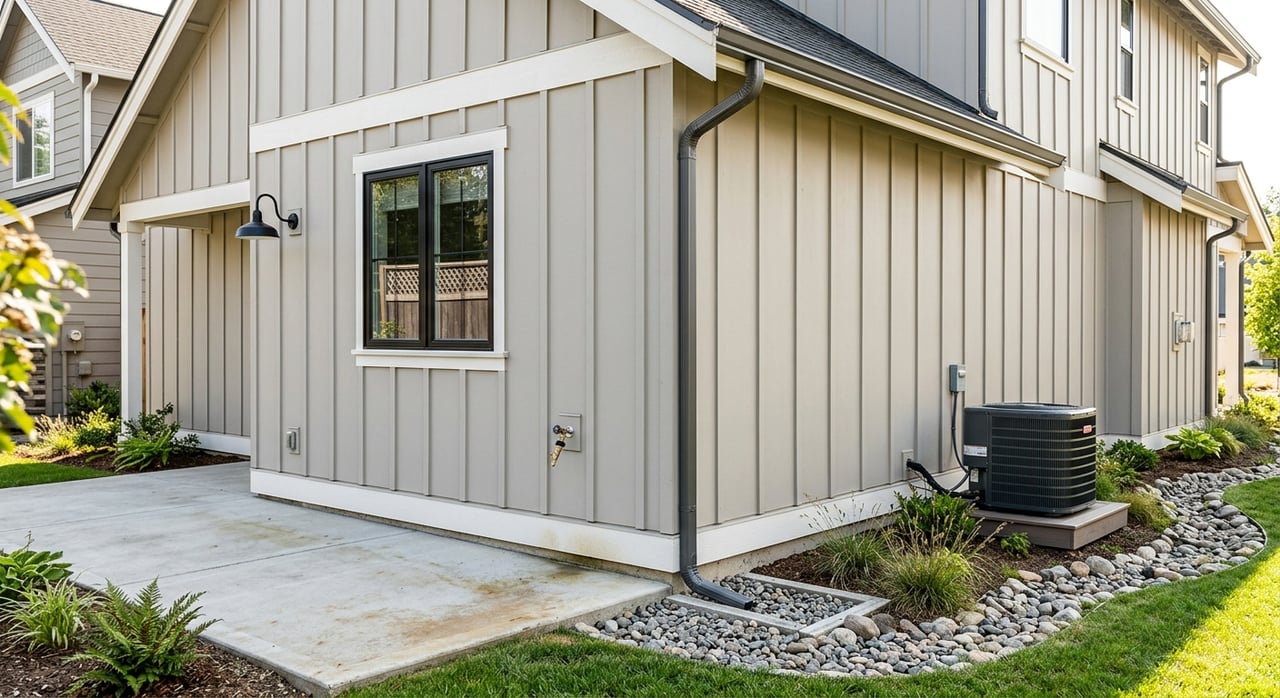
- Exterior mechanical systems
Even a home that looks good at first glance may need more maintenance than a similar inland property. A detailed inspection can help you understand what needs attention now and what may need budgeting later.
The Shoreline Matters as Much as the House
With waterfront property, the condition of the shoreline can be just as important as the structure itself. The Texas General Land Office says coastal erosion threatens both public and private property, and its materials note an average Texas coast erosion rate of 4.1 feet per year.
That does not mean every Morgan’s Point property is eroding at the same rate, but it does mean shoreline stability should be taken seriously. If a listing includes a bulkhead, seawall, dock, or other shoreline feature, ask for documentation, maintenance history, and inspection details before closing.
Bulkheads, Seawalls, and Living Shorelines
The Texas General Land Office distinguishes traditional shoreline armoring, such as bulkheads and seawalls, from living shorelines that use natural or nature-based features to reduce erosion and preserve habitat. It also notes that living shorelines work best in low-energy bays and estuaries.
For a buyer, the key point is practical: do not assume a shoreline feature is in good condition, permitted, or simple to maintain. Verify the current status and ask what ongoing care may be required.
What to Verify Before You Make an Offer
In Morgan’s Point, the details really matter. A smart waterfront purchase starts with clear, property-specific questions.
Here are some of the most important items to verify:
- The exact FEMA flood zone for the parcel
- Whether flood insurance is required
- Estimated flood insurance premium
- Whether the seller has an elevation certificate
- Any available flood claim or drainage history
- Whether the first floor, garage, and mechanical systems are elevated or protected
- Signs of corrosion, leaks, or exterior deterioration
- The condition and permit status of any dock, bulkhead, or seawall
- Drainage, slope, and standing-water patterns after rain
- Windstorm and hail coverage options for the exact address
Permits and Property Changes Need Extra Attention
Buyers sometimes assume they can update or expand a waterfront property later without much trouble. In Morgan’s Point, that can be a risky assumption.
The city requires permits for many new structures and alterations, and its mapping resources include zoning and subdivision maps that should be reviewed before you assume future changes are allowed. If you are considering additions, repairs, or shoreline work, it is worth checking those details before you buy.
Questions to Ask During the Buying Process
If you are serious about a home near the water, ask direct questions early. This is one of those situations where being specific can save you time, money, and stress.
Consider asking your agent and inspector:
- What is the exact flood zone for this address?
- Is flood insurance required, and what is the current estimated cost?
- Does the seller have an elevation certificate?
- Have there been any flood claims, repetitive-loss claims, or drainage complaints?
- Is the dock, bulkhead, or seawall permitted and maintainable?
- Are there city restrictions that could affect repairs or future additions?
- What exterior components show the most coastal wear?
- Are windstorm and hail quotes available for this parcel?
Is Buying Near the Water in Morgan’s Point Worth It?
For the right buyer, yes. Morgan’s Point can offer a rare combination of historic character, bayfront views, and a setting that feels distinct from many other parts of Harris County.
Still, this is best approached as a coastal-risk purchase, not just a lifestyle purchase. The appeal is real, but so are the practical concerns: flood review, insurance planning, shoreline condition, and higher maintenance expectations.
If you go in with clear eyes and the right due diligence, you can make a much better decision about whether a specific property truly fits your goals. If you want a responsive, process-driven partner to help you evaluate the details of a home purchase, connect with Carlee Lopez.
FAQs
What should buyers check first before buying near the water in Morgan’s Point?
- Start with the exact parcel’s flood zone, insurance requirements, and shoreline condition, because these issues can affect financing, monthly costs, maintenance, and long-term resale.
Does a Morgan’s Point waterfront home automatically require flood insurance?
- Not every property will have the same requirement, so you should verify the exact flood designation for the parcel. FEMA notes that government-backed mortgages in Special Flood Hazard Areas generally require flood coverage.
What insurance issues matter for Morgan’s Point waterfront buyers?
- Buyers should look into both flood insurance and windstorm or hail coverage early, since standard homeowners insurance typically does not include flood damage and coastal location can affect available coverage.
What property condition issues are common in waterfront homes in Morgan’s Point?
- Coastal exposure can speed up wear on roof flashing, soffits, windows, doors, trim, metal connectors, and exterior mechanical systems, so these areas should be inspected carefully.
Why does shoreline condition matter when buying in Morgan’s Point?
- A waterfront home’s value and maintenance needs can be shaped by erosion risk and the condition of features like bulkheads, seawalls, docks, or other stabilization work.
Can buyers assume future additions or repairs will be simple in Morgan’s Point?
- No. Morgan’s Point requires permits for many structures and alterations, so buyers should review city requirements, zoning, and subdivision mapping before assuming future changes are allowed.